Hijama cupping therapy is sunnah Rasool, a miracle remedy, a natural cure, the fastest detox to cure general illnesses and removes toxic material from the bloodstream. Hijama benefits everyone. Hijama is wet cupping therapy.
Studies have shown that regular face cupping can reduce fine lines and wrinkles. Facial cupping is a traditional therapy that uses tiny suction cups to stimulate the skin and underlying tissues. It is believed to improve circulation, boost collagen production, and promote lymphatic drainage, which helps reduce fine lines and wrinkles. Causes Of Fine Lines & Wrinkles Fine lines and wrinkles are a natural part of aging, but several factors can contribute to their formation. Aging Sun exposure Repeated facial expressions Environmental factors like pollution Smoking Poor dietary habits Lack of sleep Depression and stress Genetics Hormonal changes Dehydration Loss of fat in the face as a result of any crash diet How Face Cupping Aids The Reduction Of Wrinkles 1. Improved Circulation: When the suction cups are applied to the skin, they create a vacuum effect, pulling the skin upwards. This movement increases blood flow to the treated areas. The enhanced circulation brings more...
Get link
Facebook
X
Pinterest
Email
Other Apps
What to Drink Before & After Hijama
Get link
Facebook
X
Pinterest
Email
Other Apps
Proper hydration around Hijama is crucial for supporting the body’s healing processes and preventing side effects like fatigue.
Let’s discuss drink choices before and after Hijama, based on traditional Islamic medicine (Tibb), modern physiological understanding, and practitioner consensus.
Hydration is Key
The therapy involves the removal of a small amount of “static” blood. Being well-hydrated ensures your blood volume is adequate and your blood isn’t too viscous, making the process smoother and more effective.
BEFORE Hijama (24–48 Hours Prior)
Best Drink Choices:
1. Plain, Room-Temperature Water: The absolute best. Sip consistently throughout the days before your session. Aim for 2–3 litres.
2. Electrolyte-Infused Water (Natural): Add a pinch of high-quality sea salt and a slice of lemon to your water. This helps with fluid retention and cellular hydration.
3. Herbal Teas (Mild & Non-Diuretic):
Ginger Tea: Warming, promotes circulation.
Chamomile Tea: Calming for the nerves.
Fennel Tea: Aids digestion.
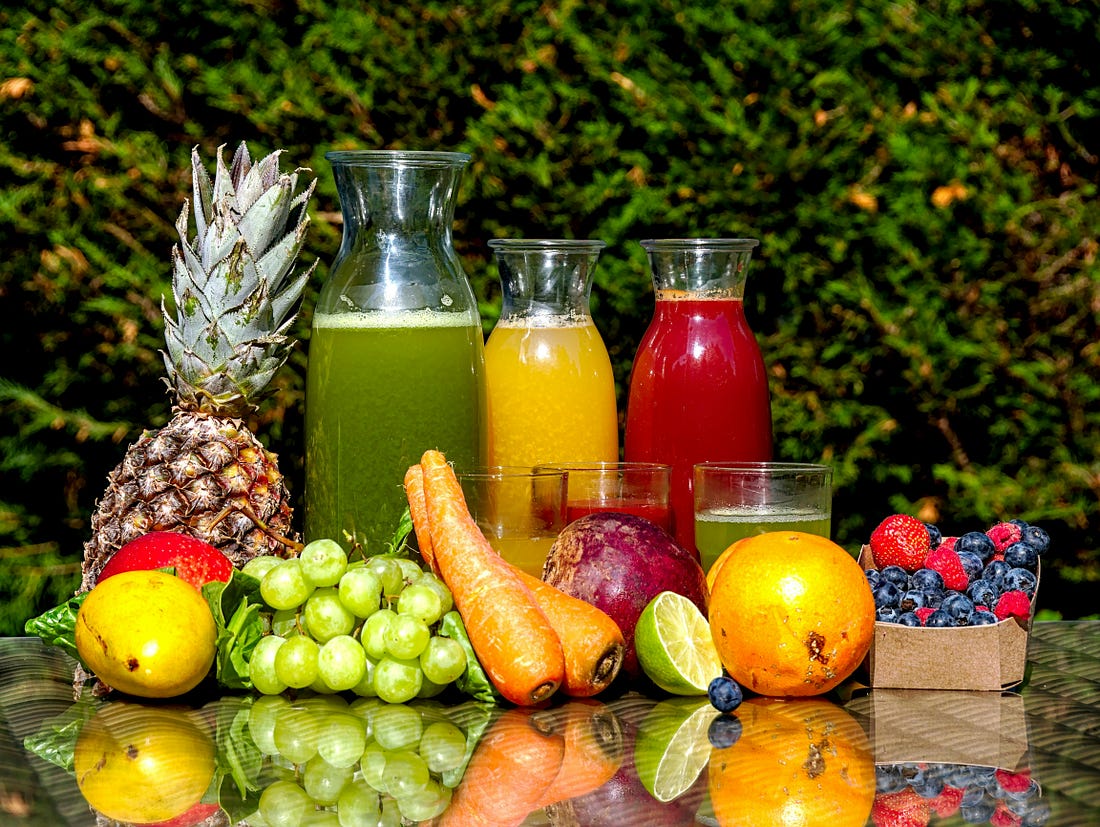
4. Fresh Fruit & Vegetable Juices (in moderation): Such as pomegranate, carrot, or cucumber juice. They provide vitamins and minerals without excessive sugar. Dilute with water.
Caffeinated Beverages (Coffee, Black Tea, Energy Drinks): They are diuretics (cause fluid loss) and can constrict blood vessels, potentially making blood extraction more difficult and increasing anxiety.
Alcohol: A strong diuretic and blood thinner. It dehydrates the body and can interfere with the therapeutic intention of the procedure.
Very Cold or Iced Drinks: Traditional medicine advises against them as they can “shock” the system and constrict circulation, counteracting the therapy’s goal of promoting blood flow.
Sugary Sodas & Processed Juices: Cause blood sugar spikes and crashes, provide no nutritional benefit, and can promote inflammation.
AFTER Hijama (First 24–48 Hours)
Best Drink Choices:
1. Water, Water, Water: Even more critical than before. Sip warm or room-temperature water consistently. This is the single most important thing you can do.
2. Nutrient-Rich, Building Drinks:
Bone Broth: Exceptionally nourishing. Provides easy-to-absorb protein, collagen (for skin healing at incision sites), and minerals to replenish electrolytes.
Green Smoothies (with mild greens): Blend spinach, cucumber, apple, and ginger with water. Provides vitamins and minerals without overtaxing digestion.
3. Rehydrating & Healing Herbal Teas:
Nettle Tea: A classic post-Hijama tonic. It is rich in iron, vitamin C, and minerals, helping to rebuild the blood.
Rosehip Tea: Very high in Vitamin C, which aids iron absorption and collagen synthesis for healing.
Dates soaked in water overnight (Nabeez): A Prophetic (Sunnah) drink. Soak dates in water overnight, drink the water and eat the dates. It provides natural sugars for energy, potassium, and is gently nourishing.
4. Natural Electrolyte Replenishers:
Coconut Water (unsweetened): Excellent for natural electrolytes like potassium.
Water with Lemon & Honey: Lemon provides Vitamin C, and honey gives gentle energy and has antimicrobial properties. Use warm water.
Drinks to AVOID & Why:
Coffee, Alcohol, Cold, Sugary Drinks: The reasons are now even stronger. Your body is in a recovery and detoxification state. These drinks place extra strain on the liver and kidneys, which are already processing the byproducts of the therapy. They also dehydrate.
Dairy-Based Drinks (Milk, Heavy Smoothies): Many practitioners advise avoiding heavy dairy immediately after, as it can be “phlegmatic” and heavy to digest when the body’s energy should be directed toward healing.
Very Sweet Fruit Juices (undiluted): The high sugar load can cause inflammation and an energy crash. Alternate: Dilute with 50% water or choose low-sugar options like cucumber or green apple juice.
Caffeine/alcohol interferes with the body’s natural healing and blood chemistry. Cold drinks hinder circulation and digestion, counteracting the warming, circulating intent of Hijama. Warm and nourishing liquids support digestion, circulation, and the rebuilding of blood and nutrients. Sugar moderation prevents inflammation and energy instability when the body is in a sensitive state.
Patients with blood thinner medications can perform Hijama cupping therapy with a few precautions. What Are Blood Thinner? Blood thinners can be lifesaving medicines that prevent blood from composing bigger clots. These medicines can not dissolve huge clots that are already formed but they stop the blood from making more bigger clots. Blood should be thin enough to flow smoothly through the veins and arteries. Blood thinners should be consumed as directed, taking less medicine won’t be as effective as required and too much can lead to heavy bleeding in case of injury. Two Categories Of Blood Thinner Medicine There are two categories of blood thinners: anticoagulants that slow the formatting of clots from getting bigger and antiplatelets that keep the proteins from sticking in the blood and aid the blood from clotting. Why Doctors Recommend Blood Thinners The doctors prescribe these medicines to those people who have: Risk of heart attack or stroke Irregula...
The seven-organ Hijama points are essential in maintaining the body’s natural healing process. The seven-organ Hijama points hold significant importance in cupping therapy due to their direct and indirect connection to vital internal organs. These specific points are strategically chosen to stimulate detoxification, regulate organ function, and restore balance in the body. Each of these points corresponds to a major organ such as the liver, lungs, kidneys, heart, stomach, bladder, and intestines. Locations of these Hijama Points Hijama Point no 1: Top of the spine and back of the neck on the shoulder blade Hijama Point no 4: located on the upper back, on the right side of the shoulder blade. Hijama point no 5: mirror of point 4, on the left side of the shoulder blade. Hijama point no 22: located in the middle of the back, on the right side of the spine. Hijama point no 23: mirror of point 22, on the left side of the spine. Hijama point no 24: located in the lower back/pelvis, fur...



Comments
Post a Comment